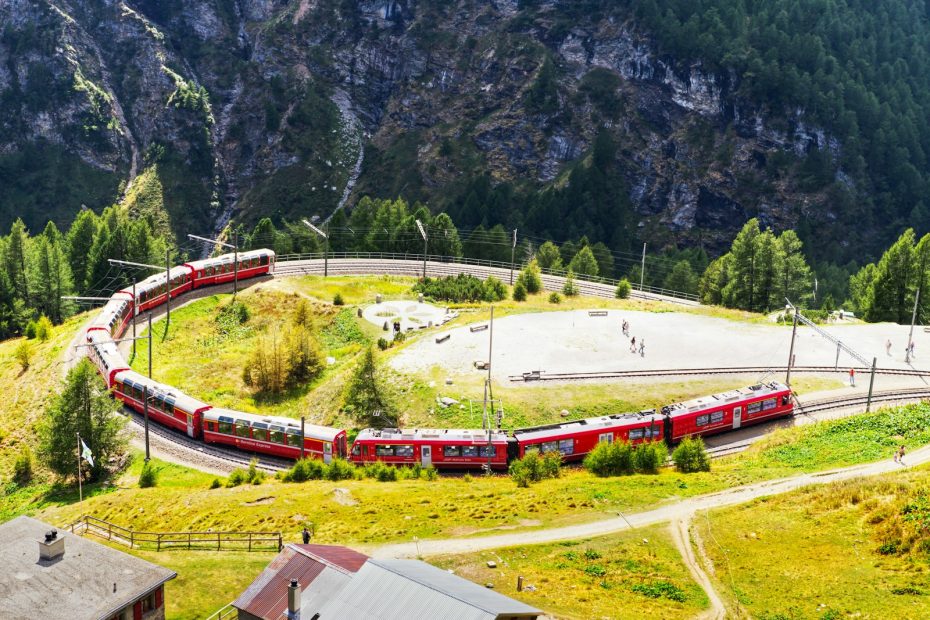
In brief
- Scenic routes often need seat reservations, which can sell out in busy seasons.
- Compare a rail pass with single tickets; passes suit frequent, flexible travel.
- First class usually means more space and quieter cars, not better views.
- On most trains you carry your own luggage, so pack a bag you can lift.
Trains turn travel days into part of the vacation. You can watch mountains, coastlines and farmland slide by without driving, airport security or cramped seats. Planning a rail trip comes down to a handful of choices: the route, the class, the ticket and your luggage.
Why trains make great trips
- Scenery up close. Many lines run through valleys, along coasts and over mountain passes.
- City center to city center. Stations are often central, so there’s no long transfer at either end.
- Room to move. You can stretch your legs, eat and read along the way.
- A slower rhythm. The journey itself becomes something to look forward to.
Choosing a route
- Start with official tourism and rail websites, which often describe scenic lines in their region.
- Check journey times and how many trains run each day; some scenic lines have limited services.
- Favor daytime trains for scenery. Night trains save a hotel night, but you’ll sleep through the views.
- If you’d rather not move every day, build the route around one base. Our guide to slow travel from one base explains how.
Classes and seats
| Choice | What you usually get | Worth it when |
|---|---|---|
| Standard class | Comfortable seats and the same views | Short and medium journeys |
| First class | Wider seats, quieter cars, more legroom | Long days and busy routes |
| Panoramic cars | Extra-large windows on some scenic lines | The scenery is the point |
| Sleeper cabins | Beds for overnight journeys | Long distances, saving a hotel night |
Try this: Look for a seat map when booking. A window seat facing the direction of travel makes a long scenic day far more enjoyable.
Passes or single tickets?
- Single tickets are often cheaper for one or two journeys, especially when booked early.
- Rail passes offer flexibility for frequent trips, but some trains still require a paid seat reservation.
- Do the math. Add up your planned journeys before deciding, and include reservation fees in the comparison.
Luggage on trains
- You usually carry your own bags on and off, sometimes up steep steps.
- Overhead racks suit small bags; larger cases go in luggage racks at the ends of cars.
- Keep valuables in a small bag at your seat.
- Packing light makes everything easier. Our carry-on packing guide shows how.
Caution: Schedules change, and lines can close for maintenance, especially in the mountains. Check the operator’s official website close to your travel date.
Booking checklist
- Confirm the route and whether a seat reservation is required.
- Compare passes and single tickets for the journeys you’ll actually take.
- Choose your class and seat, and check the departure platform on the day.
- Save tickets to your phone, with a screenshot as backup. Our list of travel apps worth setting up includes rail and transit apps.
FAQ
Is a rail pass worth it?
It depends on how many journeys you take and how flexible you want to be. Price out single tickets for your route and compare them with the pass, including any reservation fees.
Which side of the train has the best views?
It depends on the route and direction of travel. Route guides often say which side to choose, and some operators let you pick a seat when booking.
Do I need to book train tickets in advance?
For popular scenic routes, long-distance trains and sleeper cars, booking ahead is wise. Some regional trains don’t need reservations at all.
Can I bring food on a train?
On most trains, yes, and a picnic of local food is part of the fun on long journeys. Check the operator’s rules on alcohol.